Reflective Growth: What Does It Mean To Make An Experiment
(CITA - Center for IT og Architecture, Royal Danish Academy, Architecture, Design and Conservation)
As part of a larger project entitled How to Make an Experiment, I played a central role in the development and realisation of Reflective Growth at CITA (Centre for Information Technology and Architecture), part of the Royal Danish Academy – Architecture, Design, Conservation. The project was developed from January 2014 through to the opening of the exhibition in March 2014.
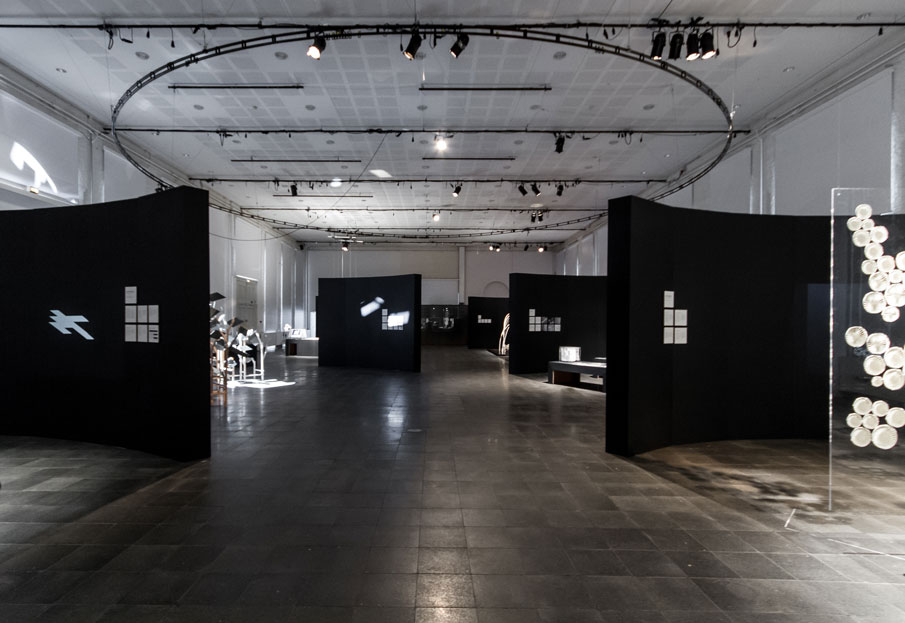
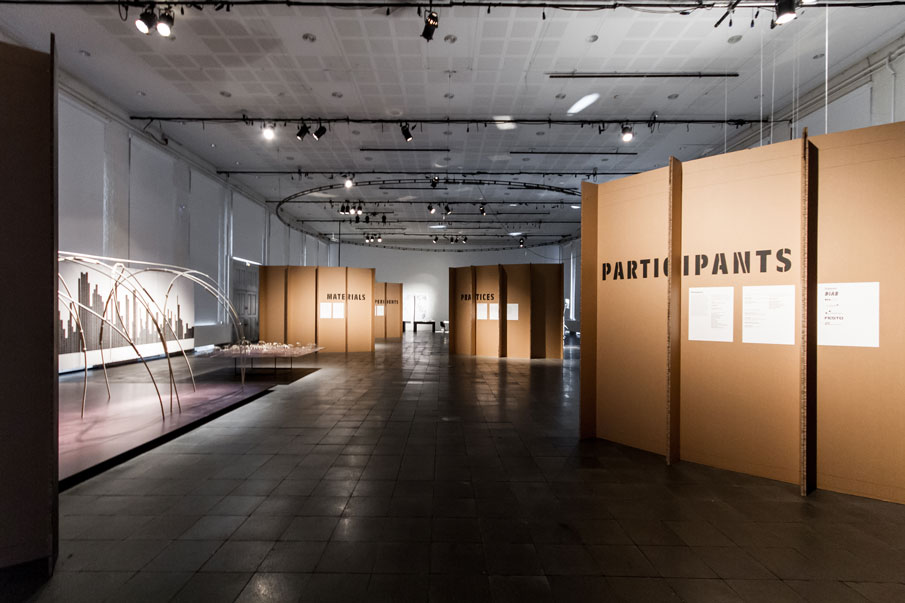
Where can experimentation lead us when it is allowed to unfold freely within architectural and design processes? The Royal Danish Academy invited visitors to explore design-driven development and research through the exhibition What Does It Mean to Make an Experiment?, which sought to investigate the role and significance of experimentation in design-driven research and development.
The exhibition presented the results of two years of research conducted across the Schools of Architecture and Design, featuring work by the Centre for Information Technology and Architecture (CITA) at the School of Architecture, SuperFormLab at the School of Design, and the Textile Design specialisation.
Project team
Claus Rytter Bruun de Neergaard (CITA), Martin Tamke (CITA), Henrik Leander Evers (CITA), Jacob Riiber (CITA) with other educators and students from KTS (Københavns Tekniske Skole); Clara Linnea Brøndum Heidemann, Gunilla Dueholm Persson, Lucas Brejnholt Neiiendam, Miki Traagaard Seneca, Peter Linnebjerg Larsen, Sebastian Bisgaard Sloth og Jonas Rahim Pedersen.
![]()
![]()
![]()
![]()
"Design can be understood as the negotiation of seemingly non-negotiable constraints. “How can computational approaches support the process of finding a balance between a complex set of requirements?”, is the question underlying the experiment Reflective Growth.
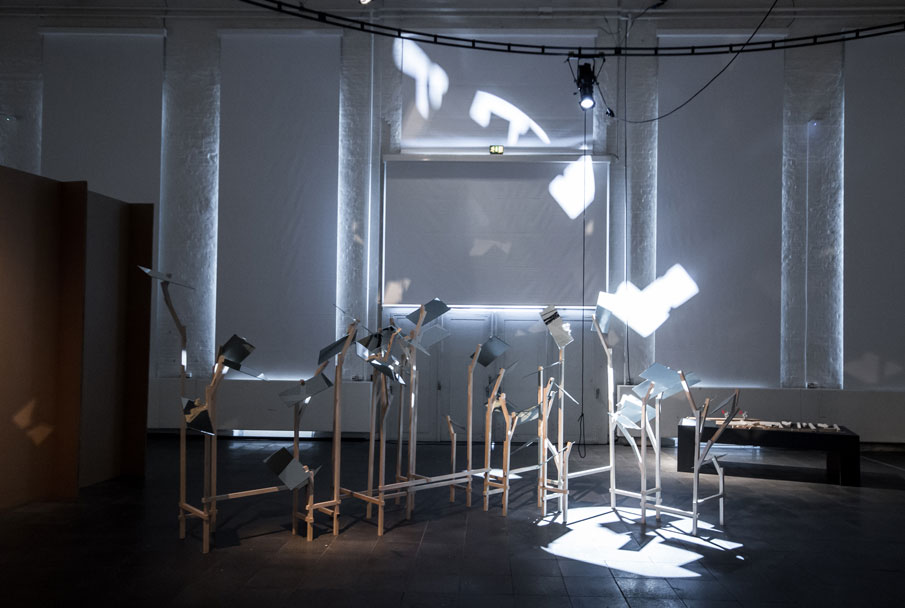
In the installation Reflective Growth two systems equipped with laws from physics and from traditional craft meet:
1 -
The reflection of light follows a clear rule: Incoming equals outgoing angle. This is the irrevocable outset for an array of mirrors that are programmed to reflect the light of a moving artificial sun to a set of targets.
2 -
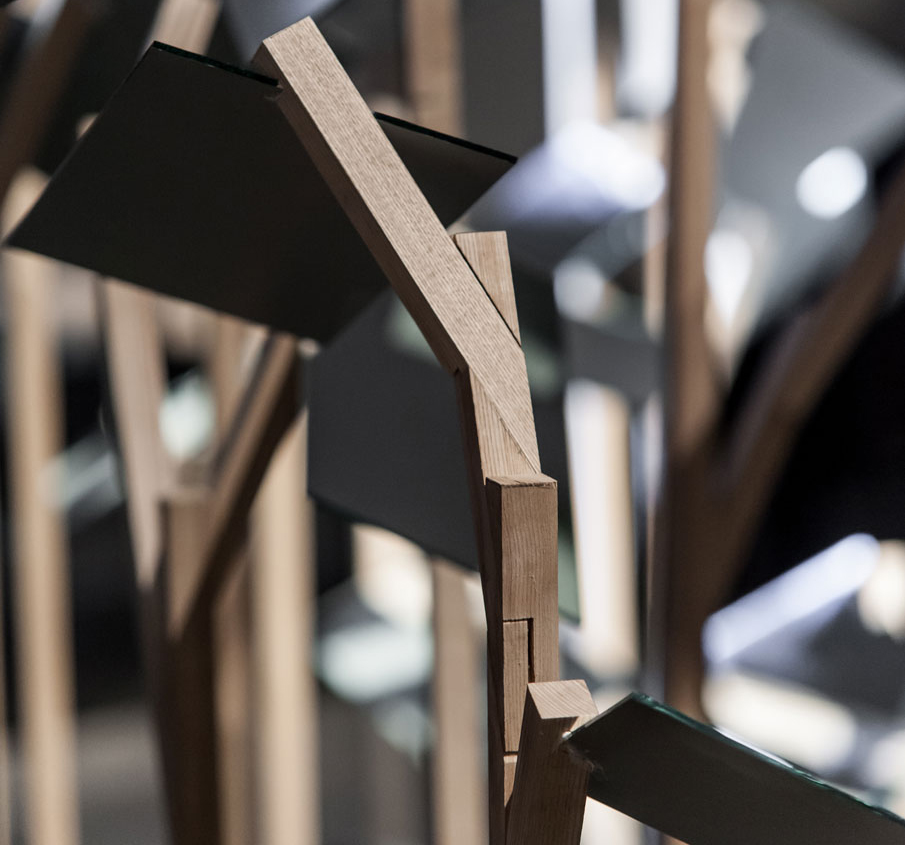
Construction systems with materials as wood find their limit in matter and fabrication. In the installation the knowledge about this is incorporated into a generative design system with feedback loops to simulation. This produces subsequently solely “buildable” solution and allows the design to make use of the benefits of wood joints in self-jigging and fast assembly. The course of the sun is a repeating spectacle and the modulation."
![]()
![]()
![]()
![]()
![]()
(CITA - Center for IT og Architecture, Royal Danish Academy, Architecture, Design and Conservation)
As part of a larger project entitled How to Make an Experiment, I played a central role in the development and realisation of Reflective Growth at CITA (Centre for Information Technology and Architecture), part of the Royal Danish Academy – Architecture, Design, Conservation. The project was developed from January 2014 through to the opening of the exhibition in March 2014.
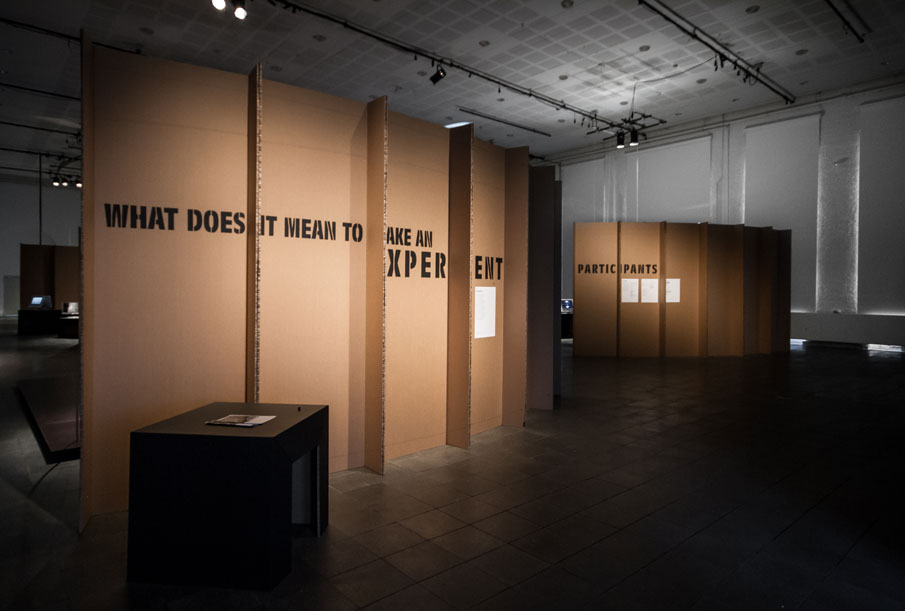
Where can experimentation lead us when it is allowed to unfold freely within architectural and design processes? The Royal Danish Academy invited visitors to explore design-driven development and research through the exhibition What Does It Mean to Make an Experiment?, which sought to investigate the role and significance of experimentation in design-driven research and development.
The exhibition presented the results of two years of research conducted across the Schools of Architecture and Design, featuring work by the Centre for Information Technology and Architecture (CITA) at the School of Architecture, SuperFormLab at the School of Design, and the Textile Design specialisation.
Project team
Claus Rytter Bruun de Neergaard (CITA), Martin Tamke (CITA), Henrik Leander Evers (CITA), Jacob Riiber (CITA) with other educators and students from KTS (Københavns Tekniske Skole); Clara Linnea Brøndum Heidemann, Gunilla Dueholm Persson, Lucas Brejnholt Neiiendam, Miki Traagaard Seneca, Peter Linnebjerg Larsen, Sebastian Bisgaard Sloth og Jonas Rahim Pedersen.

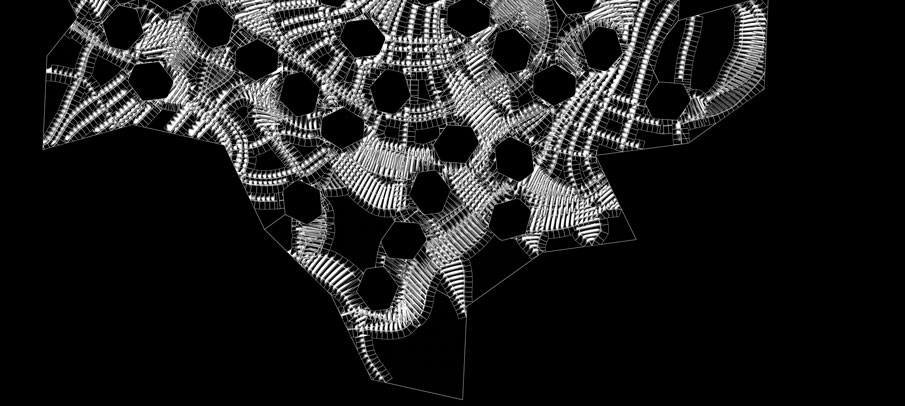

"Design can be understood as the negotiation of seemingly non-negotiable constraints. “How can computational approaches support the process of finding a balance between a complex set of requirements?”, is the question underlying the experiment Reflective Growth.
In the installation Reflective Growth two systems equipped with laws from physics and from traditional craft meet:
1 -
The reflection of light follows a clear rule: Incoming equals outgoing angle. This is the irrevocable outset for an array of mirrors that are programmed to reflect the light of a moving artificial sun to a set of targets.
2 -
Construction systems with materials as wood find their limit in matter and fabrication. In the installation the knowledge about this is incorporated into a generative design system with feedback loops to simulation. This produces subsequently solely “buildable” solution and allows the design to make use of the benefits of wood joints in self-jigging and fast assembly. The course of the sun is a repeating spectacle and the modulation."